Jute Leaves and Jute Seed Oil: Examining Tradition and Scientific Inquiry
Welcome! In this series, we’ve been exploring the incredible benefits that various plant-based extracts offer for our overall well-being.
Get to Know Jute Leaves
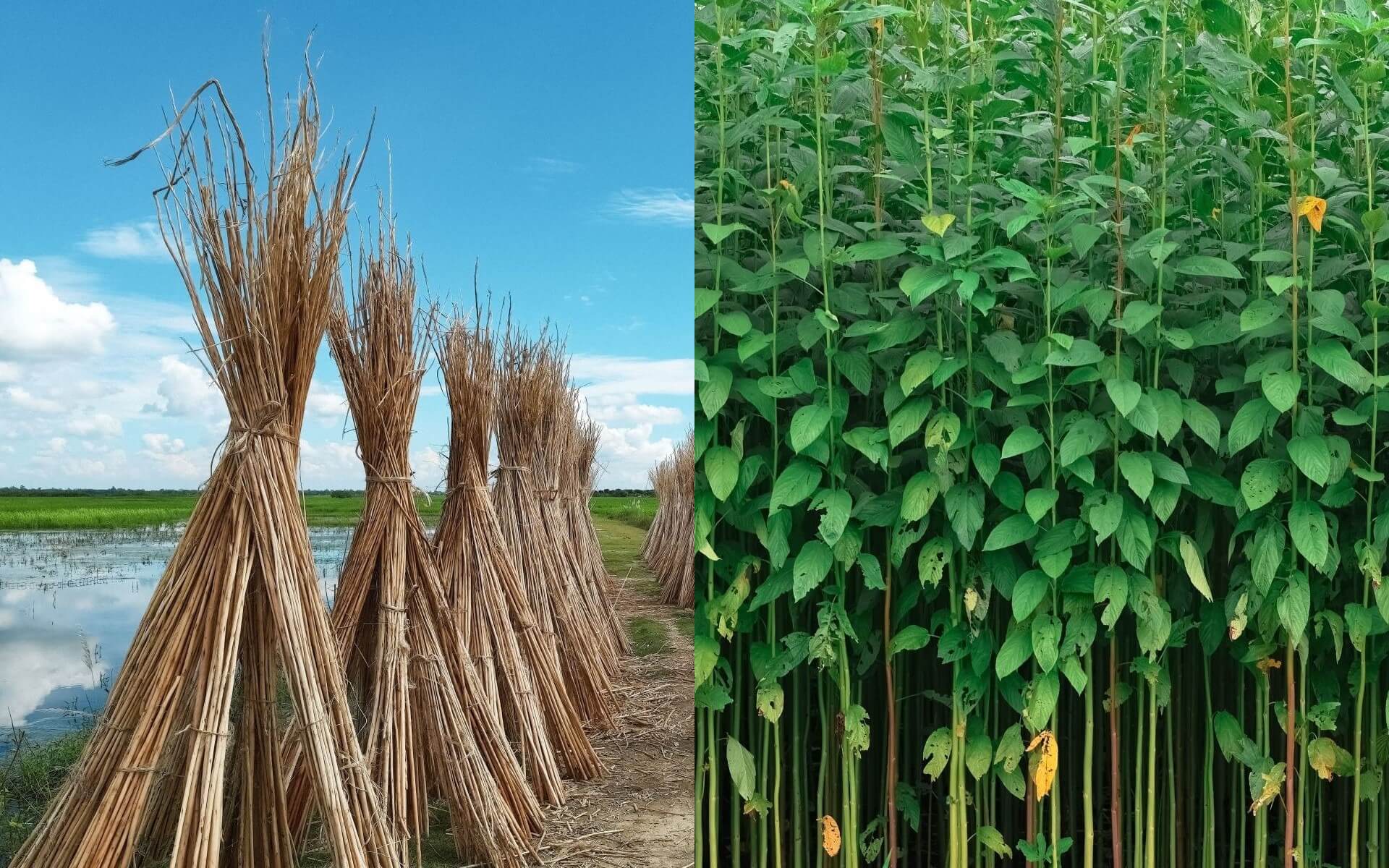
The botanical world is filled with plants that are both amazingly beautiful as well as medicinal. Among them stands Jute leaves (Corchorus olitorius), a highly nutritious, leafy green vegetable celebrated globally for their rich antioxidant content, anti-inflammatory properties, and unique mucilaginous (slightly slimy) texture. Jute leaves, genus of striking herbs that have captivated cultures and health practitioners for centuries. Often recognized by their towering stature of straw-like stems (used for burlap fabric and many types of rope), vibrant green foliage, and impressive umbels of small yellow blossoms. Jute seed oil extracted from the seeds of the Jute plant. It is rich in essential polyunsaturated fatty acids (primarily linoleic acid) and bioactive compounds, making it a sustainable alternative to conventional vegetable oils and a potent ingredient for both nutritional and cosmetic purposes. The Jute plant is far more than just visually appealing additions to the landscape. Researching the phytochemistry and traditional uses of the Jute plant reveals a fascinating story that intertwines botany, folklore, and medicine.
Description
The genus Jute plant (Corchorus olitorius) belongs to the Mallow family (Malvaceae). It is a fast growing tropical plant that yields both the coarse “golden “ fiber and small, lance-shaped green leaves, along with delicate yellow flowers. The seeds develop inside the seed pods (or fruit) of the plant. These pods form after the plant’s yellow flowers bloom and are left to mature and dry on the stalks. Once dry, the pods are threshed to release the seeds, which are then used to make Jute oil. The stems range from off-white to brown, coarse, stiff, high tensile strength, with a natural silky luster. Its chemistry is primarily cellulose and lignin composition.
Usage
The uses of the Jute plant leaves and stems vary. The Jute plant leaves (also known as Saluyot, Ewedu, Egyptian Spinach, or Molokhia- an Arabic soup dish), are highly nutritious, leafy greens widely consumed in African, Middle Eastern, and Asian cuisines used as a nutrient-dense thickening agent in soups, and stews. The leaves can be dried and steeped into a healthy, low-calorie herbal tea. The stems are used to make burlap fabric, carpets, baskets, various types of ropes and soaps.
Nutritional Benefits
The Jute plant is known as a “Superfood”, which is packed with Antioxidants, Minerals, Protein, Vitamins A, B, C, and E, Calcium, Copper, Iron, and Potassium to promote strong bones and ramp up the immune system. It is high in dietary fiber and natural mucilage, making them an excellent source for improving digestion, soothing irritable bowels and preventing constipation. Jute plant also helps to combat free radicals, reduce oxidative stress, and may alleviate inflammatory issues like rheumatoid arthritis. Some studies suggest that the leaves possess anti-diabetic properties that assist in glucose control. The rich vitamin content and fatty acids keep skin hydrated, promotes wound healing of acne prone skin, skin irritants, insect bites, as well as reduces fine lines and wrinkles.
The Storied History of the Jute Plant
The Jute plant dates back over 5,000 years, Native to Ancient Africa and Asia. Ancient Egyptians used the Jute plant extensively, primarily as a highly nutritious food source rather than fiber. Known historically as Corchorus olitorus or “Jews mallow”, its leaves are the basis of Molokhia, a vitamin rich, gelatinous green stew often referred to as a “food of kings” dating back to the times of the Pharaohs. Jute plant known as – The Royal Medicine: Ancient Pharaohs prized the plant for its restorative and healing properties, consuming it in soups to recover from illnesses.
Ancient Origins: Before the invention of synthetic plastics, ancient cultures utilized Jute for cordage, weaving, and traditional medicinal purposes. The herb known as the Jute plant – has long been revered in African, Indian, Middle Eastern, Chinese and European Ayurvedic traditional medicine.
Traditionally, many African cultures used Jute to boost milk production in postpartum mothers. Jute has been cultivated as a medicinal plant used as a folk remedy to treat fevers, regulate blood pressure, to reduce pain and to treat dysentery. Traditionally, European herbalists used the Jute plant to ward off infectious diseases, aid digestion, treat fevers, and alleviate respiratory conditions.
The Jute Plant holds a revered position in Traditional Chinese Medicine (TCM). Medicinally, Jute was often utilized for its cooling properties and demulcent effects. Jute root were charred, steeped in boiling water to treat conditions like measles, dysentery, and diarrhea. Jute leaves were applied as a poultice to soothe ulcers or brewed as a tea to reduce body temperature, alleviate fever, and ease digestive discomfort.
The Ayurvedic medical system suggests Jute Oil/Extract for massage to control fever and as drops for rhinitis and tincture of Jute was used to treat a host of ailments.
Historically, Jute was processed in historic mills (such as those in Africa, Calcutta, India, and Dundee, Scotland) for packaging, sacking and ropes. India and Bangladesh is recognized as the historical hub of domestication, where the vast majority of global Jute production still occurs.
During the 19th and 20th centuries, it earned the nickname “The Golden Fiber”, due to its massive export value and economic boom in the Bengal Delta.
Today, Jute plant powder, essential oil, and liquid extracts made from the herb are all prepared and used in today’s nutrition, as well as material goods. Jute remains a highly valued 100% biodegradable and eco-friendly material used globally for textiles, geo-textiles, and packaging. It is a wonderful ingredient in Seeds of Life Elixirs for skin/hair health, as well as for its anti-inflammatory and wound healing properties.
Final Thoughts
As we have discovered, the genus Jute plant offers a compelling example of the long standing relationship between humans and the medicines found in the plant kingdom. From their striking botanical features to their complex phytochemistry and diverse traditional applications across cultures, Jute plants are far more than just an attractive herb. They are a rich source of potent bioactive compounds that are beneficial to our bodies.
Jute Oil/Extract is one of the fine ingredients in the following Seeds of Life Elixirs Products:
Acne and Blemish Treatment Elixir
Beautiful Bust and Bottom Elixir
Soft as a Petal Lip Therapy Elixir
“Superfood” Face Firming Elixir
*Wound Healing Elixir (New Product coming soon)
Disclaimer
Although Jute (Corchorus olitorius) is used in Seeds of Life Elixirs formulations, it is not to be consumed. This blog post is for informational purposes only and does not constitute medical advice. Always do a 30 minute patch test before applying any Seeds of Life Elixir to your skin.
About the Author:
Hello to you all! I am Sheila Howard, Blog Specialist. I am sincerely delighted to provide this incredible information for Seeds of Life Elixirs. I enjoy discovering the natural benefits of amazing botanical plants, flowers, herbs, seeds and barks. I hope you find this information to be a true asset to your overall well being and peace of mind.