Lucuma: Examining Tradition and Scientific Inquiry
Welcome! In this series, we’ve been exploring the amazing and incredible benefits of various plant-based extracts which offers a multitude of nutritional value for our overall well-being. This month, Seeds of Life Elixirs highlights the wonderful Lucuma Plant (Lucuma bifera).
The Lucuma Plant
The botanical world is filled with plants that are both amazingly beautiful, as well as pertinent properties for medicinal purposes. The Lucuma Plant, a highly nutritious, leafy green fruit/vegetable celebrated globally for its rich antioxidant content and anti-inflammatory properties. Lucuma (Lucuma bifera or Pouterria lucuma), is a species of tree in the family Sapotaceae, cultivated for its fruit, the Lucuma is a nutrient- rich subtropical fruit native to the Andean valleys of Peru. It is also native to Columbia, Ecuador, Bolivia, and northern Chili.
Description
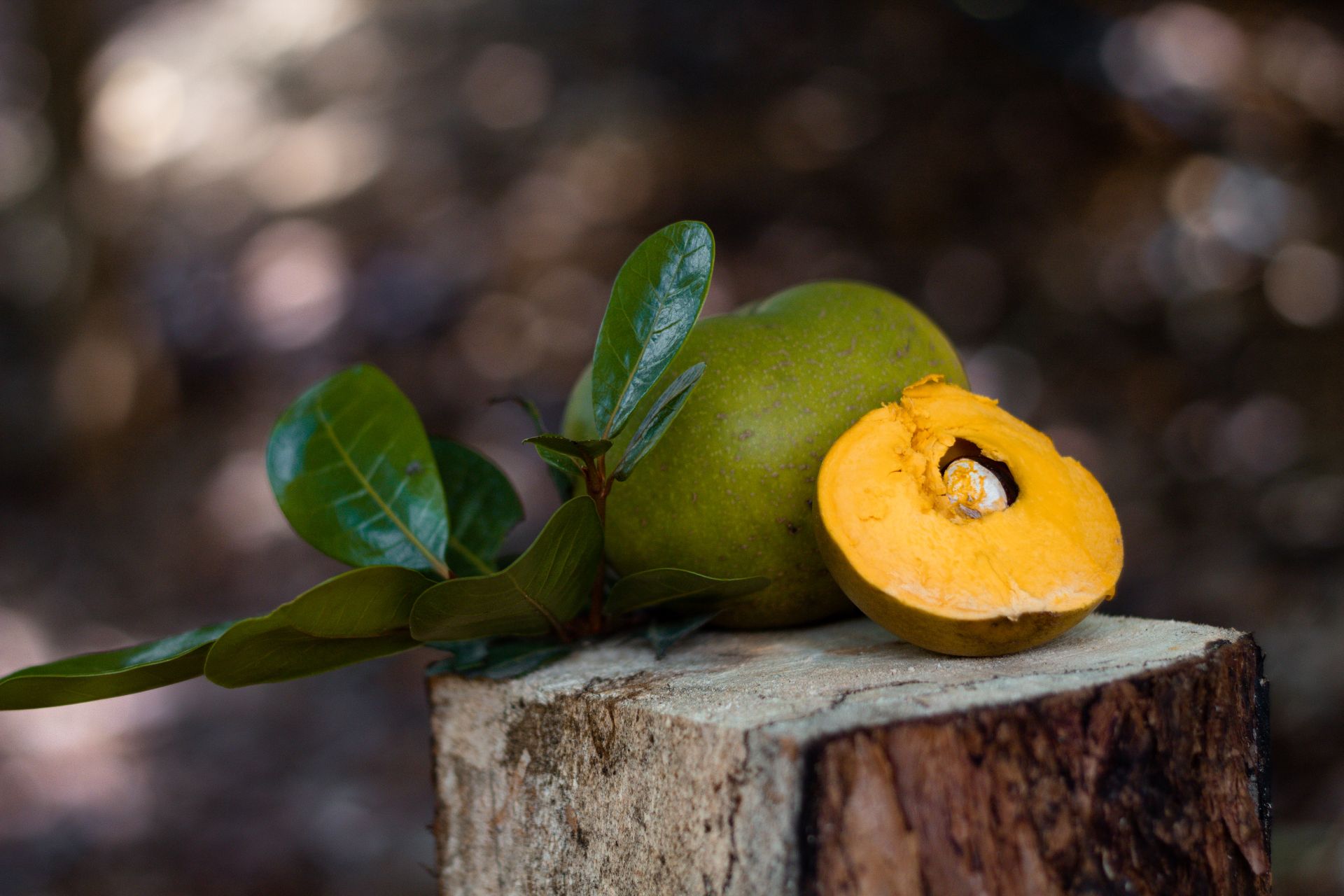
This evergreen tree is up to 20 m (66 ft) tall, and has grayish-brown, fissured bark, in which produces a milky white exudate. The end of the branches, and as well as the petioles, are covered with short, brown hairs. The leaves are quite simplistic, oblanceolate to elliptical, up to 25cm (9.8 in) long and 10 cm (3.9 in) wide and the glabrous (or sometimes slightly hairy on the underside) grouped at the end of the branches. The flowers are solitary or in fascicles, small axillary, with hairy sepals and a corolla forming tube 1.0 – 1.8 cm (0.39 – 0.71 in) long, greenish white, with five lobes, five stamens, five staminodes, a pubescent ovary, and a style 0.8 – 1.5 cm (0.31 – 0.59 in) long. The fruit, known for its bright yellow flesh, which has a low glycemic index, and has a unique flavor profile, is reminiscent of maple syrup, caramel, butterscotch, or sweet potato. The fruit is globose, 6 – 12 cm or (2.4 – 4.7 in) long, glabrous, and russet to yellow when matured. The pulp is bright yellow, with a sweet custardy taste that melts in your mouth, with one to several seeds which are dark brown and glossy.
Usage
Traditionally, Lucuma plant was used to treat diabetes, high blood sugar spikes, and digestive issues. It was also used in traditional cultural ceremonies and rituals. Lucuma was valued by the Incas as a symbol of fertility and creation. The plant is rich in compounds that help reduce inflammation and protect cells from free radical damage. It contains dietary fiber, in which supports healthy digestion. Today, Lucuma is most famously used as a natural sweetener in ice cream, desserts, milk shakes and smoothies. Lucuma powder is used as a natural sweetener for baking and yogurt.
Nutritional Benefits
The Lucuma plant is known as a “Superfood”, which is packed with Antioxidants, Minerals, Protein, Vitamins A, B3 (niacin), C, and E, Calcium, Copper, Iron, Potassium Riboflavin, Thiamin and Zinc to promote strong bones and ramp up the immune system. It is high in dietary fiber, it an excellent source for improving digestion, soothing irritable bowels and preventing constipation. Lucuma helps to combat free radicals, reduce oxidative stress, and may alleviate inflammatory issues like rheumatoid arthritis. Some studies suggest that the leaves possess anti-diabetic properties that assist in glucose control. The rich vitamin content and fatty acids keep skin hydrated, promotes wound healing of acne prone skin, skin irritants, insect bites, as well as reduces fine lines and wrinkles. One tablespoon (8 grams) of Lucuma powder provides: (30) calories, (1) gram of protein, (0) fat, (6) grams of carbs, (3) grams sugar, (2) grams of fiber. Research shows that Lucuma is particularly rich in polyphenols and carotenoids, two groups of antioxidants known for their cancer- fighting, and heart health promoting properties. Additionally, polyphenols in Lucuma are thought to offer strong protection against chronic conditions like diabetes, Chrons disease, and heart disease. It is especially high in xanthophylis, a group carotenoids responsible for Lucuma’s yellow color that’s thought to promote eye health and good vision. Lucuma is also packed with Vitamin C, a nutrient with antioxidant properties that may play important roles in your body, such as supporting vision, strong immune system, and heart health. Moreover, test-tube research shows that the blood-sugar-lowering mechanisms of Lucuma may be comparable to those of certain anti-diabetic drugs.
The Storied History of the Lucuma Plant
The Lucuma plant/tree was nickednamed the “gold of the Incas”. The representations of Lucuma (Pouteria lucuma or Lucuma bifera) have been found on ceramics at burial sites of the indigenous people of coastal Peru centuries ago (600 – 200 BC). The Moche people (100-700 AD) had a fascination with agriculture and often chose to represent fruits and vegetables, including Lucuma, in their art. Ancient Origins: The Lucuma tree was cultivated by indigenous peoples in South America for thousands of years ago. Native to South America, the Lucuma Tree is centuries old. The fruit was first seen and reported by Europeans in Ecuador in 1531.
Final Thoughts
As we have discovered, the genus Lucuma plant offers a compelling example of the long standing relationship between humans and the medicines found in the plant kingdom. From their striking botanical features to their complex phytochemistry and diverse traditional applications across cultures, Lucuma trees/plants are far more than just an attractive herb. They are a rich source of potent bioactive compounds that are beneficial to our bodies. Although Lucuma is not in our products, we of Seeds of Life Elixirs, encourage our customers, friends and family to seek knowledge for your overall health. As we provide information, it is our quest to enlighten and inspire your journey in optimizing your health, as well as your family. We hope you share the knowledge and appreciate our efforts. Be Healthy, Be Wise!
Disclaimer
Although Lucuma (Lucuma bifera) is recommended as a dietary supplement, Seeds of Life Elixirs, advises everyone to consult with a medical doctor for medical issues. This Blog post is for informational purposes only and does not constitute medical advice.
About the Author:
Hello to you all! I am Sheila Howard, Blog Specialist. I am sincerely delighted to provide this incredible information for Seeds of Life Elixirs. I enjoy discovering the natural benefits of amazing botanical plants, flowers, herbs, seeds and barks. I hope you find this information to be a true asset to your overall well being and peace of mind.